Show Up On Site
Service trucks before sales decks when a lift window is at risk.

Potain field leads still ride service trucks onto high-rise and residential pads when a mast jump, slew bearing or hoist brake threatens the pour schedule — not after the invoice closes.
In 1928 the earliest Potain tower crane families were built for contractors who measured progress in floors poured, not brochure horsepower. In 2026 the same jobsite habit remains: load charts that match reality, mast sections that stack cleanly, and technicians who understand freestanding height limits before they open a toolbox.
If a superintendent calls on Saturday with a stuck trolley and a concrete truck already on site, that call is not a sales opportunity — it is a schedule we refuse to abandon.
Today Potain runs a 350,000 m² manufacturing footprint, about 4,500 employees and 28 regional mast/jib parts hubs serving 85 countries — with roughly 3,200 tower cranes shipped each year. Buyers comparing a tower crane manufacturer B2B supplier should ask how many serial-matched hoist kits sit within overnight trucking distance of their next pour window.
That discipline also shapes how we train dealers and crane dealer partners: tip-load interpretation, out-of-service wind procedures and anti-collision zoning are taught as daily craft, not optional add-ons. CE (2006/42/EC), ISO 9001 / 14001 / 45001 and ISO 4301 classification packages ship with the machine so EPC bidding desks can file without rewriting claim language.
What we will not oversell: a catalog max lifting capacity does not transfer to every radius; soft fills and incomplete mats still need geotech sign-off before erection; and Chinese OEM vs Western premium brand total-cost debates belong in the bid model — Potain competes on documented tip-load envelopes, parts latency and AS 2550 witness packs, not anonymous rank claims.

Hundreds of owner-operators certify each year on freestanding limits, luffing procedures and emergency wind protocols — with seats prioritized for veterans and new-to-trade contractors entering crane work.
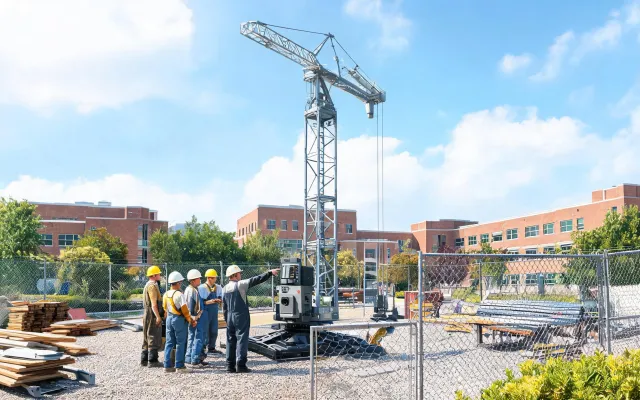
Retired self-erecting units and training simulators move to community college trades programs so students practice trolley travel and load chart reading before a live pour.
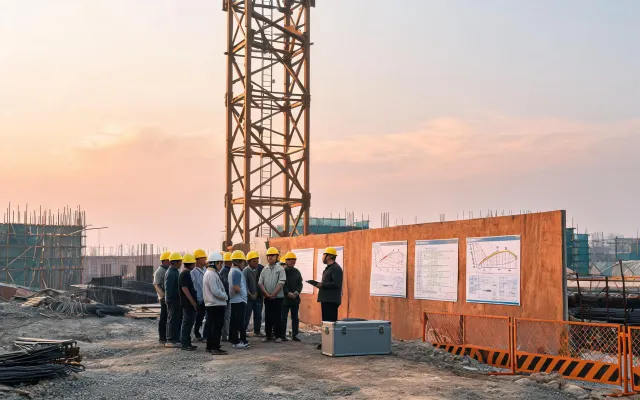
Independent mid-rise builders host Potain toolbox talks covering wire-rope discard criteria, anti-two-block checks and multi-crane zoning before busy pour seasons.
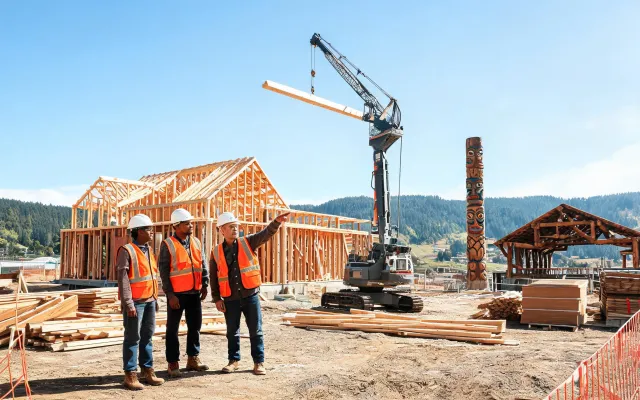
Self-erecting crews shadow indigenous and community housing contractors through month-one setups so plot logistics and tip-load planning transfer beyond a single delivery day.
Tell us your freestanding height, tip-load target and city-block constraints. We will match a field engineer who knows that crane class — not a generic call center script.